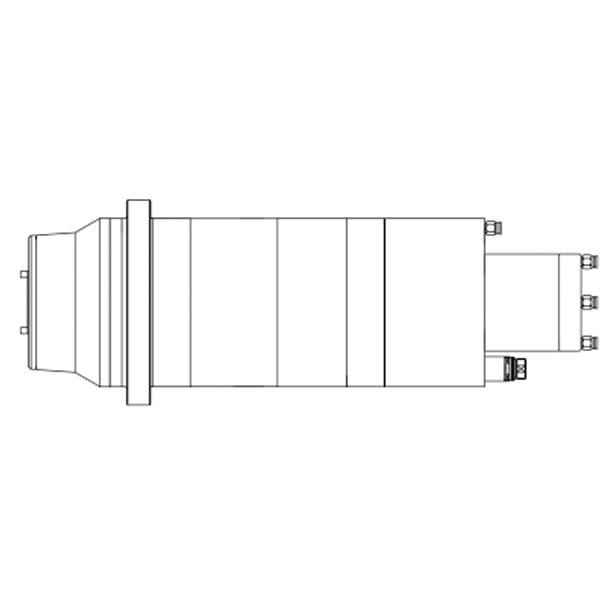
Milling spindle
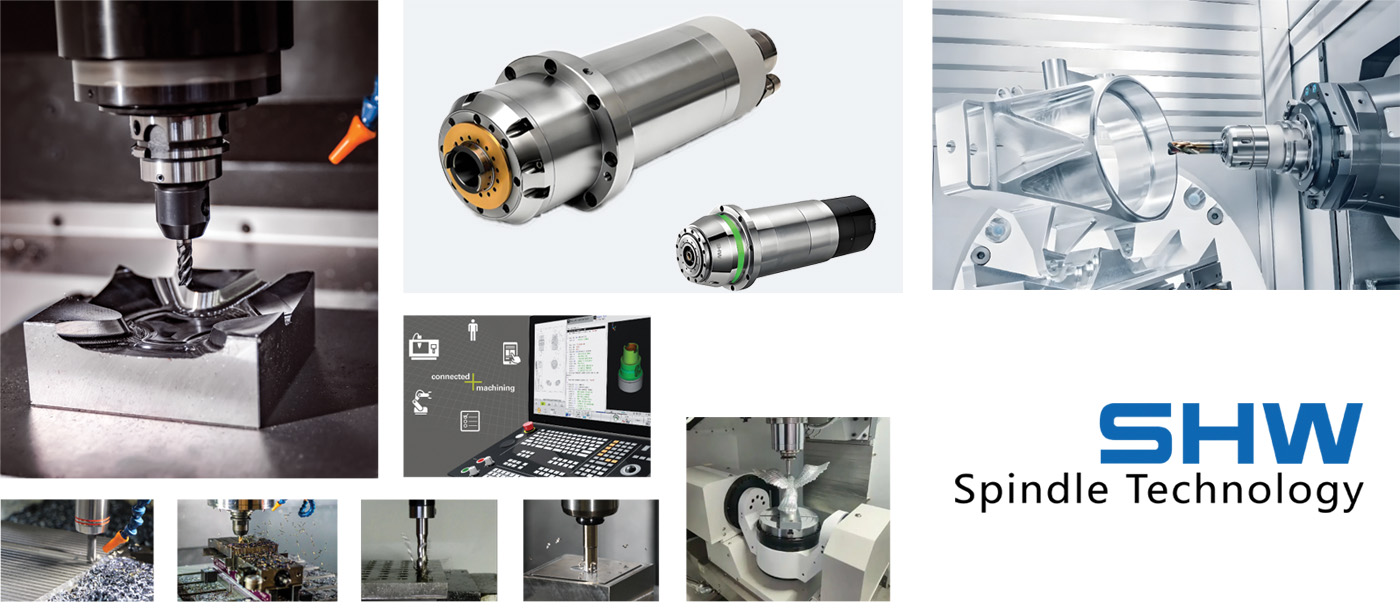
Wide range of part applications
Various machining processes for parts, including milling, drilling, tapping, boring, 3D machining, precision machining, etc
1.The Core Driving Forces for High Precision and High Rotational Speed.
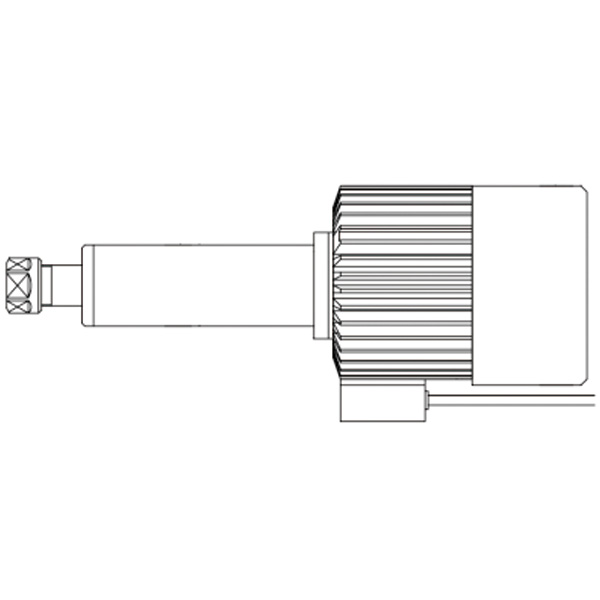
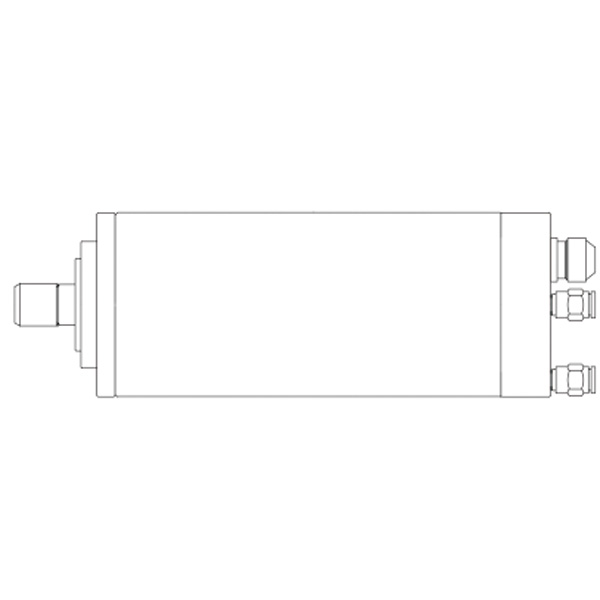
- Direct Drive Technology: The motor spindle integrates the motor and the spindle, eliminating traditional mechanical transmission components such as belts, couplings or gears. This removes transmission errors and can significantly improve machining accuracy (at the micron level or even higher).
- Ultra - high Rotational Speed Capability: The rotational speed of the motor spindle can reach tens of thousands of revolutions per minute (for example, over 40,000 RPM), meeting the requirements of high - speed cutting (such as the machining of aluminum alloy thin - walled parts or high - quality molds), reducing tool wear and improving surface finish.
- Dynamic Thermal Balance Technology: With a built - in cooling system and temperature sensors, it suppresses thermal deformation during high - speed operation, ensuring the stability of long - term machining.
2.Revolutionary Improvement in Processing Efficiency and Flexibility.
- Multi - process Integration Capability: It supports automatic tool change, C - axis orientation (with an accuracy of ±0.001°) and turning - milling compound functions, reducing the secondary clamping of workpieces and improving the efficiency of compound machining.
- Wide - range Constant - power Output: Through vector control technology, high torque (such as 1.5 times the rated torque) is maintained in the low - speed range, enabling flexible switching between heavy cutting and finishing (such as roughing and finishing of die steel).
- Rapid Response and Speed - change Capability: The motorized spindle is directly controlled by a torque motor and can complete acceleration and deceleration within milliseconds (for example, the acceleration time from 0 to 20,000 RPM is less than 1.5 seconds), adapting to complex - trajectory machining (such as five - axis linked impeller machining).
3.The Physical - information Fusion Node for Intelligent Manufacturing.
- Condition Sensing and Predictive Maintenance: Multidimensional sensors for vibration, temperature, power, etc. are integrated. Combined with digital twin technology, the health assessment of the spindle is realized (for example, the prediction error of the remaining bearing life is less than 10%).
- Adaptive Machining Control: The cutting load is monitored in real - time (with a resolution of 0.1 Nm), and the feed rate is automatically optimized (for example, the fluctuation is controlled within ±5%), avoiding chatter and extending the tool life.
- Energy Efficiency Optimization: Permanent - magnet synchronous motor technology is adopted (with an efficiency of over 92%), which saves 15% - 30% more energy compared with traditional asynchronous motors, making it more environmentally friendly and energy - efficient.
4.Key Enabling Technologies for Modern CNC Systems.
- Bus - type Control Interface: It supports protocols such as EtherCAT and PROFINET, achieving ms - level synchronization (jitter < 1ms) with the CNC system to ensure multi - axis coordination accuracy.
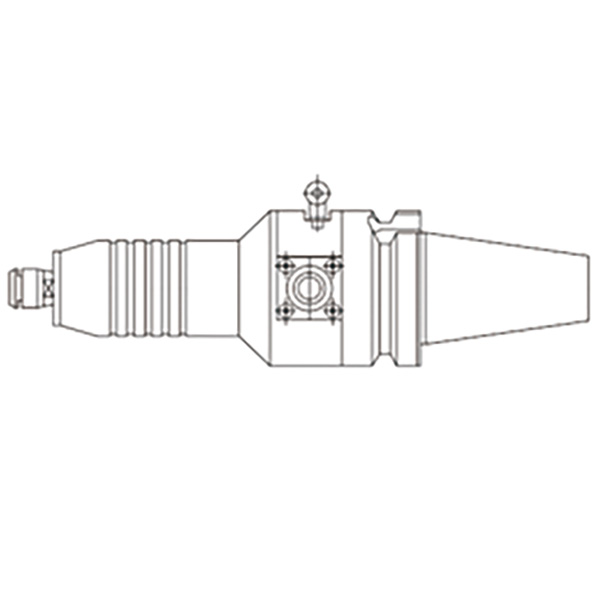
- Modular Design Concept: The standardized interface design (such as HSK tool shank) enables quick replacement (MTTR < 30 minutes), reducing equipment downtime losses.
- Adaptability to Extreme Environments: Special sealing design (IP67 protection level) and ceramic bearing technology support the machining of superalloys in the aerospace field (cutting temperature > 800℃).
5.Data Evidence of Industry Impact.
- For CNC milling machines equipped with motor spindles, the processing efficiency can be increased by 40% - 60% (data from the German Machine Tool Builders' Association VDW).
- In the precision mold industry, the motorized spindle technology has improved the surface roughness of the cavity from Ra1.6μm to Ra0.2μm.
- Predictive maintenance systems can reduce unplanned downtime by 30% (according to the General Electric Industrial Internet White Paper in the United States).
- The motor spindle is not only a breakthrough in mechanical transmission technology but also the core physical carrier for the evolution of CNC machine tools towards intelligence and networking. Its performance indicators directly determine the international competitiveness of high - end manufacturing equipment.